
Importing from Tunisia: the complete 2025 guide
Customs procedures, VAT, incoterms, EU-Tunisia association agreement: everything to succeed with your first imports in 2025.
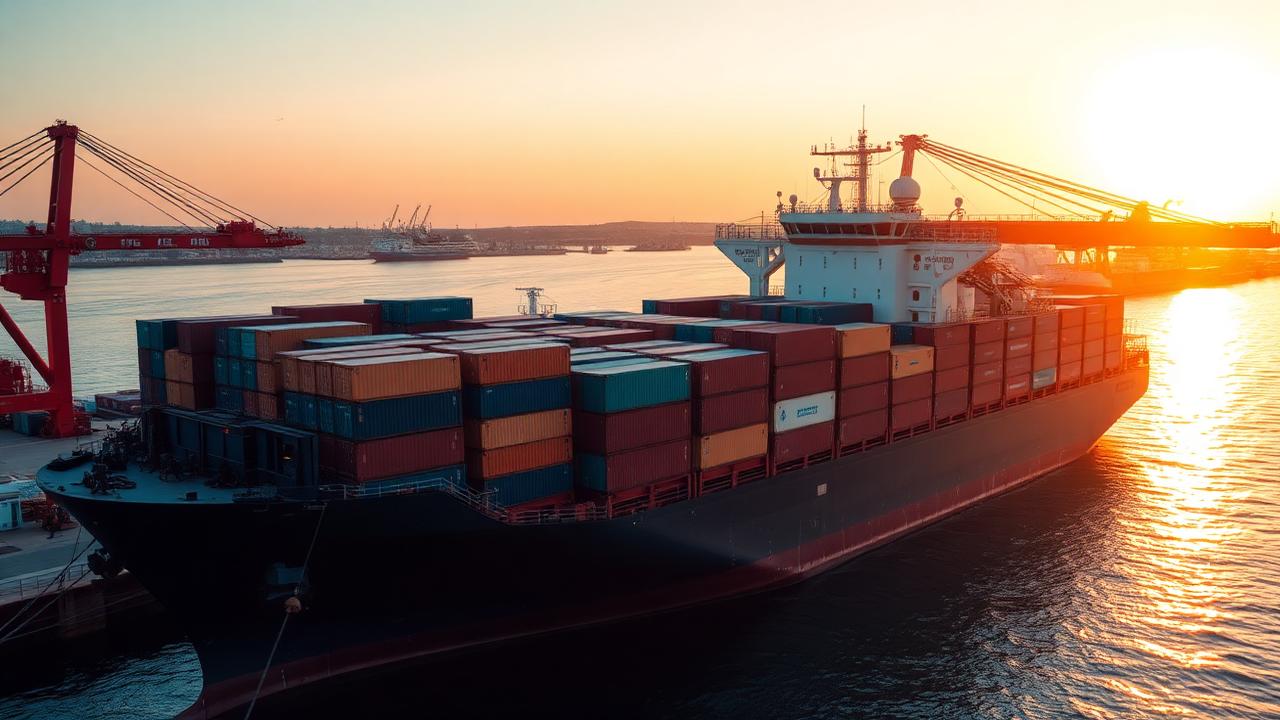
Why import from Tunisia in 2025?
Tunisia remains one of the EU's most strategic trade partners. Thanks to the EU-Tunisia association agreement (in force since 1998), most Tunisian industrial products enter Europe duty-free. Combined with a skilled workforce, geographic proximity (2h30 by plane from Paris, 24h by truck via the Genoa ferry) and competitive costs, Tunisia is once again a credible alternative to Asian sourcing.
1. Choosing the right Incoterm
Incoterms 2020 define who pays for what between you and your supplier. The most common on the Tunisia-Europe route:
- EXW (Ex Works) — you handle everything from the Tunisian factory. Risky for beginners.
- FOB (Free On Board) — the supplier delivers to the Tunisian port (Radès, La Goulette, Sfax). You take over.
- CIF (Cost, Insurance, Freight) — the supplier delivers to the European port. Most recommended for a first import.
- DDP (Delivered Duty Paid) — the supplier delivers to your door, customs cleared. Maximum convenience, higher price.
2. Import VAT
Since 2022, import VAT is reverse-charged in France and most EU countries. You no longer pay it at customs: it is declared and deducted simultaneously on your monthly VAT return. Cash flow preserved.
3. Essential customs documents
- Commercial invoice (in French or English)
- EUR.1 — preferential origin certificate; this is what avoids customs duties
- Detailed packing list
- Bill of Lading (or AWB for air freight)
- Sanitary certificate (food, cosmetics)
4. Classic pitfalls
- Forgetting the EUR.1: you pay full customs duties (up to 12% on some products).
- Underestimating lead times: count 5-10 days by sea, 24-48h by air, plus customs clearance (2-5 days).
- Wrong HS code: causes delays and fines.
- No supplier verification: use a KYC service (like TuniTrade) to validate legal existence, trade registry and financial strength.
5. Costs to anticipate
For a 20' container Tunis-Marseille in 2025:
- Sea freight: €800-1,400
- Port and handling fees: €350-500
- Customs clearance: €150-250 (broker)
- Inland transport: variable
Conclusion
Importing from Tunisia in 2025 remains fiscally advantageous and logistically simple when the framework is respected. The key: choose a verified supplier, secure the EUR.1, and work with an experienced freight forwarder on the Maghreb-Europe route.
Need a verified Tunisian supplier? Explore our certified company directory or post your request — we identify your partners within 72h.